
Ultimate Buyers Guide to Anti-Climb Wall Spikes in South Africa
If you’re searching for the best wall spikes in South Africa, this guide explains everything you need to know about anti-climb wall spikes, rotating security spikes, installation options, and legal considerations before buying.
1. What Are Wall Spikes?
Wall spikes — also called anti-climb wall spikes or perimeter security spikes — are physical deterrents installed on top of boundary walls or fences to prevent people from climbing over them. They come in many forms:
-
Metal razor spikes: fixed sharp spikes that create a continuous physical barrier.
-
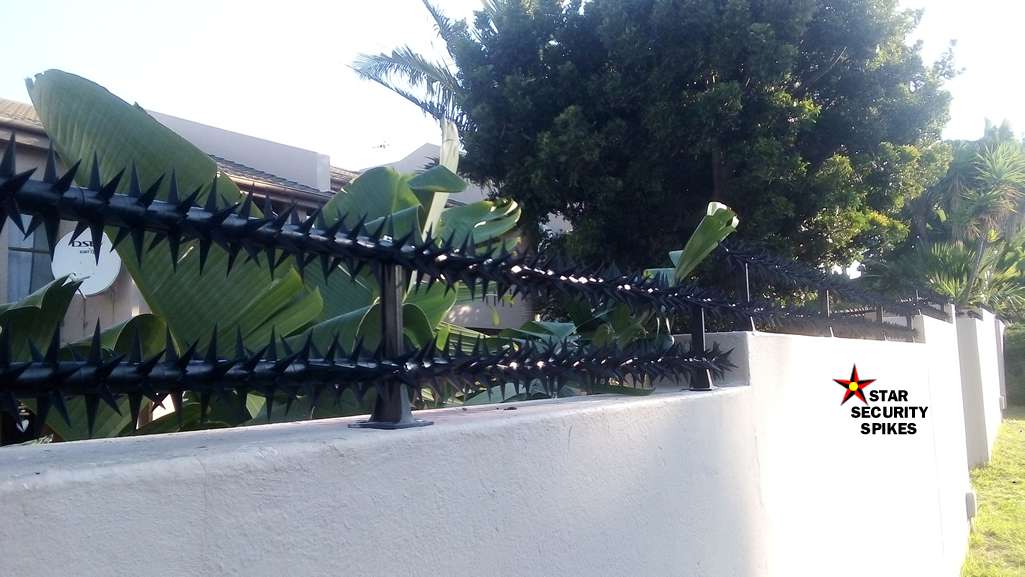
Rotational security spikes: spikes mounted on a rotating tube that makes it extremely difficult to grip or climb.
These products are designed to discourage intruders without needing electrification or power, offering a low-maintenance security upgrade you can add to many boundary types.
2. How Wall Spikes Work
Wall spikes work by creating an anti-climb barrier — the pointed spikes make it difficult, slippery, or dangerous to gain a foothold or handhold at the top of a wall or fence.
-
Razor spikes rely on fixed sharp points arranged so climbing is difficult and uncomfortable.
-
Rotational spikes add a mechanical deterrent: the spikes rotate when touched, preventing a climber from getting purchase.
Both types are passive security systems — meaning they function without electricity, power supply, or ongoing maintenance.
3. Key Features to Look For When Buying Wall Spikes
A. Spike Material & Durability
Choose materials that are:
- Galvanised or UV-stabilised (metal spikes coated to resist rust in South African weather).
- Polyamide reinforced nylon or fibre in rotational spikes for long life and weather resistance.
👉 Why it matters: Rust or Weather damage will reduce effectiveness over time.
B. Height & Shape
Higher spikes generally provide stronger deterrence. Typical sizes include:
- Razor spikes up to ~90–102mm high.
- Rotational spikes vary by bracket type and application(120–245mm).
C. Installation Compatibility
Check that the spikes can be mounted on:
- Precast concrete walls, brick walls, steel fences, vibracrete fencing & Gates — the right bracket matters for proper fit.
- This includes Wooden and Palisade fencing
- Supplements Electric Fencing
💡 Tip: Bottom-mount or flat brackets are often easier for wide hard surfaces.
D. Maintenance Needs
Good products are:
- Maintenance-free
- Rust-proof
- Weather resistant
Rotational spike products themselves are maintenance free, making them attractive long-term security upgrades.

4. Types of Wall Spikes Explained
4.1 Razor (Fixed) Spike Types
These are rigid sharp points designed to block climbing.
- Examples include double-row barbed spikes with rib reinforcement for strength.
- They work well on many boundary types and are a classic security barrier.
4.2 Star Rotational Spikes
- These spin when touched, making climbing extremely difficult.
- Known as one of the most effective anti-climb barriers in perimeter security.

5. Wall Spikes vs Other Security Measures
When planning perimeter security, you might consider:
5.1 Wall Spikes vs Electric Fence
- Wall spikes are passive, work without power, and are low maintenance.
- Electric fencing uses energized conductors to deter intruders. Many installers now avoid electric fences in residential settings for safety reasons. (Community anecdotes suggest electric fences can be bypassed and cause false alarms).
- Alternatively enhance your Electric fencing with rotating Spikes
5.2 Wall Spikes vs Barbed Wire
- Barbed wire is cheaper but less secure; many intruders can bypass it. Wall spikes provide a more visible and robust deterrent.
- Rotating spikes are more effective an largely unobtrusive

6. Safety & Legal Considerations
Many suppliers advise that spikes be installed:
- At a height above 1.8m to avoid unintended contact with pedestrians.
- This protects both users and reduces legal exposure. Always verify local municipal regulations or your insurer’s requirements before installation.
- Visible warning signs should accompany wall spikes even if not spelled out in Municipal by-laws, warning signs are effectively mandatory under South African safety standards and insurance requirements.
7. How to Choose the Right Wall Spike Product
Step A — Identify Your Wall Type
Match the spike bracket to:
- Vibracrete wall
- Brick or mortar wall
- Metal or palisade fence
👉 Use product specs that list compatible surfaces.
Step B — Decide Between Fixed & Rotational
- Fixed spikes are affordable and effective.
- Rotational spikes add an extra layer of deterrence and are often marketed as premium anti-climb solutions.
Step C — Prioritize Durability
Look for:
- Weather resistance
- Anti-corrosion coatings ( Hot Dip Galvanization)
- Long-term warranties (if offered)
8. Installation Tips That Boost Performance
- Ensure the top of the wall is clean and level before mounting.
- Use the correct fasteners or anchors for your wall material.
- If unsure, professional installation reduces gaps or weak points.
- Add strategic lighting and CCTV for layered security.
9. FAQ Section
Q. Are wall spikes effective?
A. Yes. Fixed and rotational spikes make climbing your wall difficult and visually obvious to would-be intruders, acting as both a psychological and physical deterrent.
Q. Can wall spikes be installed on any boundary?
A. Many designs fit brick, concrete, vibracrete, metal, and wooden fences — but bracket choice matters
Q. How long do wall spikes last?
A. Quality spikes are weather resistant and corrosion-protected, giving many years of service with minimal maintenance.
10. Conclusion — Choosing the Best Security Spike for Your Property
Anti-climb rotating star security spikes® are a 24/7 cost-effective perimeter security solution that works without power, can be installed DIY or professionally, and provide both a physical and psychological deterrent.
6. Safety & Legal Considerations
7. How to Choose the Right Wall Spike Product
Step A — Identify Your Wall Type
Match the spike bracket to:
- Vibracrete wall
- Brick or mortar wall
- Metal or palisade fence
👉 Use product specs that list compatible surfaces.
Step B — Decide Between Fixed & Rotational
- Fixed spikes are affordable and effective.
- Rotational spikes add an extra layer of deterrence and are often marketed as premium anti-climb solutions.
Step C — Prioritize Durability
Look for:
- Weather resistance
- Anti-corrosion coatings ( Hot Dip Galvanization)
- Long-term warranties (if offered)
8. Installation Tips That Boost Performance
- Ensure the top of the wall is clean and level before mounting.
- Use the correct fasteners or anchors for your wall material.
- If unsure, professional installation reduces gaps or weak points.
- Add strategic lighting and CCTV for layered security.
9. FAQ Section
Q. Are wall spikes effective?
A. Yes. Fixed and rotational spikes make climbing your wall difficult and visually obvious to would-be intruders, acting as both a psychological and physical deterrent.
Q. Can wall spikes be installed on any boundary?
A. Many designs fit brick, concrete, vibracrete, metal, and wooden fences — but bracket choice matters
Q. How long do wall spikes last?
A. Quality spikes are weather resistant and corrosion-protected, giving many years of service with minimal maintenance.
10. Conclusion — Choosing the Best Security Spike for Your Property
Anti-climb rotating star security spikes® are a 24/7 cost-effective perimeter security solution that works without power, can be installed DIY or professionally, and provide both a physical and psychological deterrent.